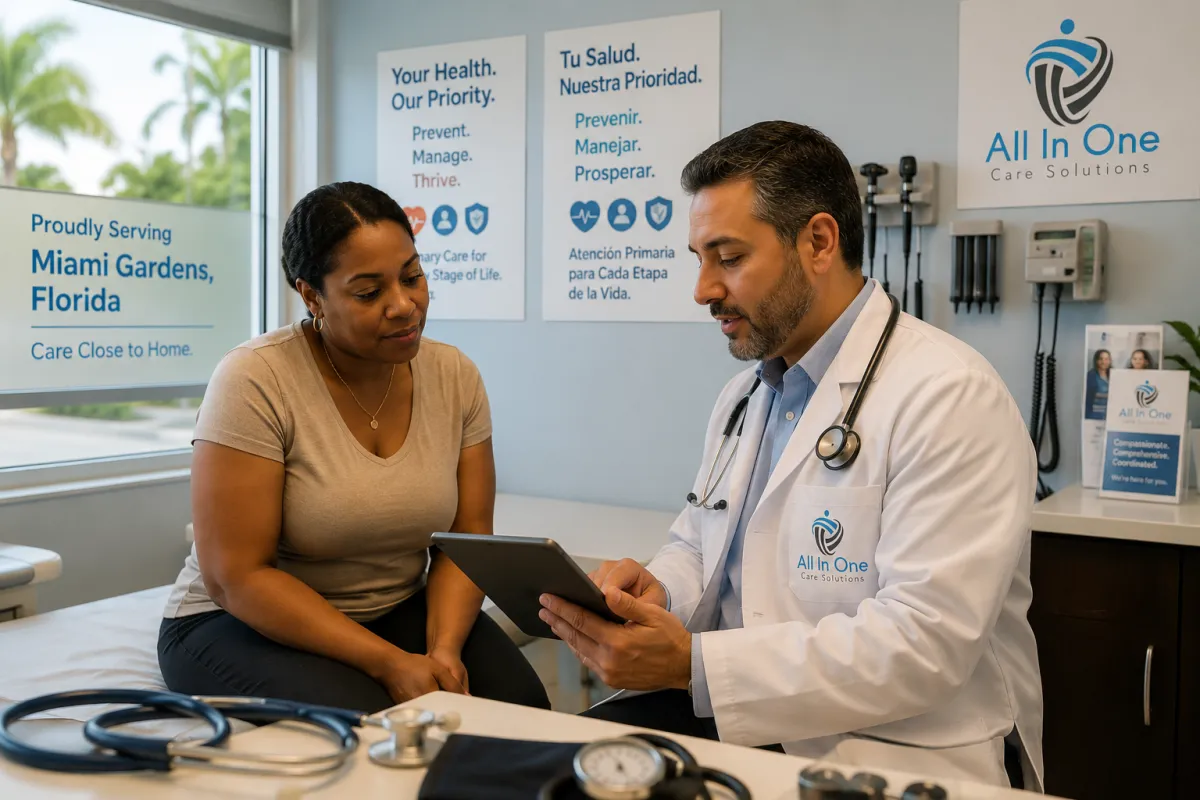
Signs You Need a Primary Care Doctor
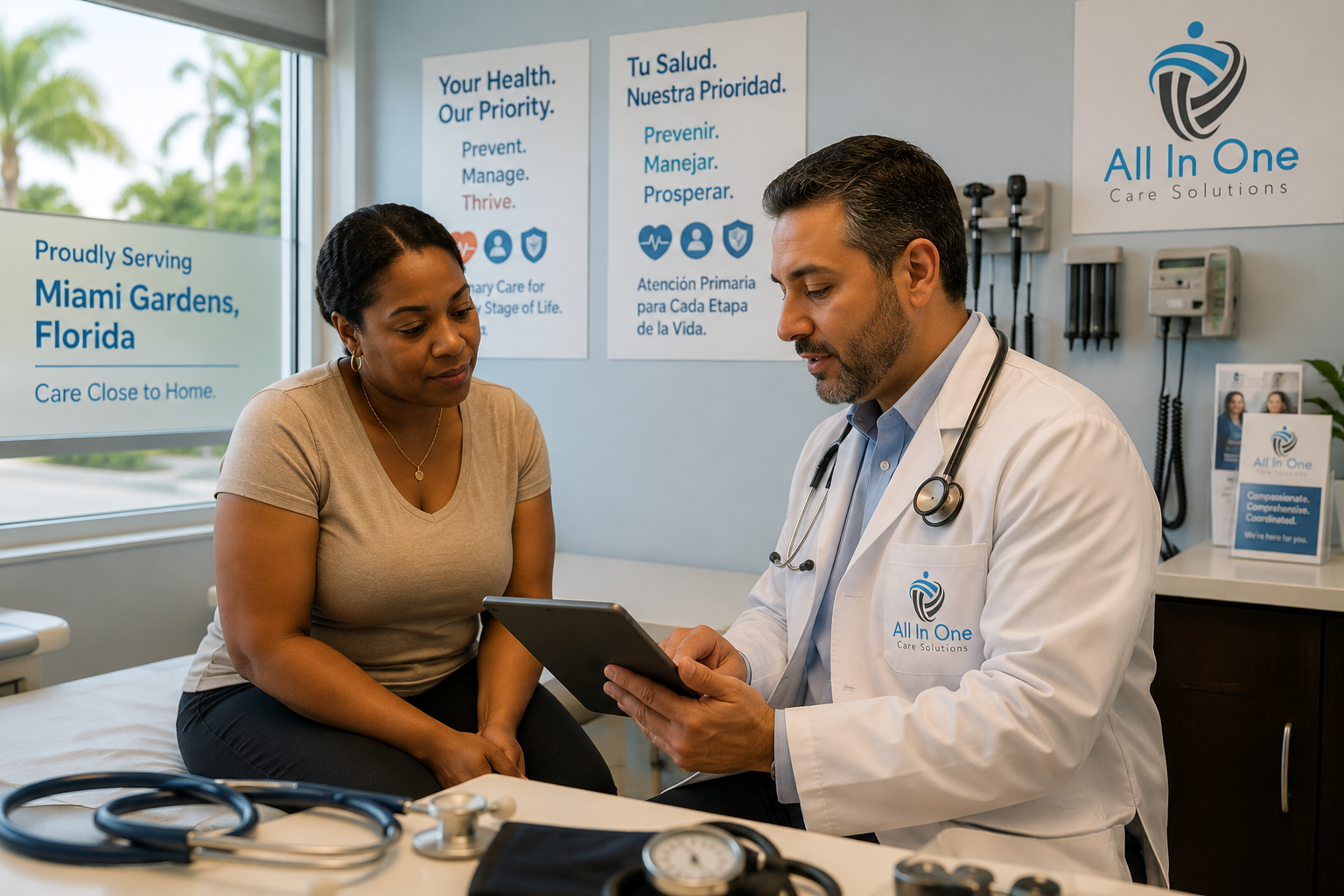
Last updated: July 2, 2026
Quick Answer: The most common signs you need a primary care doctor include having no regular physician, managing a chronic condition without medical oversight, skipping annual exams, relying on urgent care for routine issues, and noticing new or persistent symptoms you cannot explain. A primary care doctor serves as your first point of contact for all health concerns and coordinates care across every stage of life.
Key Takeaways
- Not having a primary care doctor is itself one of the clearest signs you need one — preventive care reduces the risk of serious illness.
- Chronic conditions like diabetes, high blood pressure, and high cholesterol require ongoing medical management, not just occasional urgent care visits.
- Annual physical exams catch problems early, often before symptoms appear.
- Primary care doctors handle far more than sick visits — they order lab work, manage medications, provide referrals, and support mental and preventive health.
- Patients without insurance still have affordable options, including self-pay annual exams starting at $150 at clinics like All In One Care Solutions in Miami Gardens.
- If you feel your current doctor does not listen, communicate clearly, or meet your needs, it is appropriate to find a better fit.
- Seniors on Medicare, families with children, and individuals managing weight or hormonal changes all benefit from consistent primary care.
What Does a Primary Care Doctor Do?
A primary care doctor is a licensed physician — typically trained in family medicine, internal medicine, or general practice — who provides comprehensive, ongoing healthcare for patients across a wide range of health concerns. They are not limited to one body system or condition. Instead, they serve as your medical home base.
Specific responsibilities include:
- Preventive screenings such as blood pressure checks, cholesterol panels, diabetes testing, and cancer screenings
- Annual physical exams to establish health baselines and detect early changes
- Chronic disease management for conditions like type 2 diabetes, hypertension, and high cholesterol
- Acute sick visits for infections, injuries, and short-term illnesses
- Medication management and prescription renewals
- Referrals to specialists when a condition requires more focused expertise
- Lab work coordination including in-house blood panels and metabolic testing
- Mental health screening and referrals for anxiety, depression, and stress-related conditions
At All In One Care Solutions in Miami Gardens, primary care also extends to women’s health, men’s health, weight management, and wellness services — all under one roof.
How Do I Know If I Need a Primary Care Doctor?
You need a primary care doctor if you do not currently have one, if you manage any ongoing health condition, or if you rely on emergency rooms or urgent care for routine medical needs. These are the most direct signs you need a primary care doctor.
Additional indicators include:
- You have not had a physical exam in more than one year
- You take prescription medications with no physician actively monitoring your health
- You have a family history of heart disease, diabetes, or cancer but no screening plan
- You feel fatigued, experience unexplained weight changes, or notice new symptoms that persist
- You are over age 40 and have never had a comprehensive metabolic panel or EKG
- You are pregnant, planning pregnancy, or managing hormonal changes without medical support
- You have not had your blood pressure checked in the past year
Any one of these situations warrants establishing care with a primary care physician. Waiting until a health crisis occurs is the most common — and most preventable — mistake patients make.
Signs You Need a Primary Care Doctor Even If You Feel Healthy
Feeling healthy does not mean you do not need a primary care doctor. Many serious conditions, including hypertension, prediabetes, and elevated cholesterol, produce no noticeable symptoms in their early stages.
The U.S. Preventive Services Task Force recommends regular screenings for conditions that are largely asymptomatic until they cause organ damage or cardiovascular events. A primary care doctor conducts these screenings systematically, based on your age, sex, family history, and risk factors.
Specific signs you need a primary care doctor even without symptoms:
- Age 30 or older with no established physician: Risk for several conditions increases steadily after 30.
- BMI above 25 with no metabolic monitoring: Overweight individuals face elevated risk for insulin resistance and cardiovascular disease.
- Sedentary lifestyle or high-stress occupation: Both are independent risk factors for chronic disease.
- No vaccinations updated in several years: Adults require periodic boosters that a primary care doctor tracks.
- No documented baseline blood work: Without a baseline, changes in your health go undetected.
Preventive care in Miami is one of the most cost-effective health investments available. Catching a condition early almost always reduces long-term treatment costs and improves outcomes.
When Should You See a Primary Care Doctor vs. Urgent Care?
Choose a primary care doctor for ongoing, non-emergency health needs. Choose urgent care for acute issues that cannot wait for a scheduled appointment but are not life-threatening. Go to the emergency room for chest pain, difficulty breathing, stroke symptoms, or serious injuries.
| Situation | Best Setting |
|---|---|
| Annual physical exam | Primary care |
| Diabetes or blood pressure management | Primary care |
| Medication refill or review | Primary care |
| Minor fever, cold, or flu symptoms | Primary care or urgent care |
| Sprained ankle or minor laceration | Urgent care |
| Persistent fatigue or unexplained weight loss | Primary care |
| Chest pain or shortness of breath | Emergency room |
| New rash with no known cause | Primary care |
Relying on urgent care for routine needs is a sign that you lack a primary care relationship. Urgent care providers do not maintain your medical history, track your labs over time, or coordinate specialist referrals. For patients in Miami Gardens and surrounding areas, same-day appointments at a primary care clinic often eliminate the need for urgent care altogether.
What Happens at Your First Visit With a Primary Care Doctor?
Your first visit is primarily a health intake and relationship-building appointment. The physician reviews your medical history, current medications, family history, and lifestyle factors. Expect a physical examination, a discussion of any active concerns, and recommendations for lab work or screenings.
What to bring to your first primary care appointment:
- A list of all current medications, including supplements and over-the-counter drugs
- Your insurance card or self-pay payment method
- Photo identification
- Records from previous physicians, if available
- A list of questions or symptoms you want to discuss
- Family medical history, particularly for heart disease, diabetes, and cancer
After the initial visit, your doctor will establish a care plan. This may include in-house lab testing, specialist referrals, prescription management, or a follow-up schedule for chronic disease monitoring.
Signs You Need a Primary Care Doctor for Chronic Disease Management
If you have been diagnosed with diabetes, hypertension, or high cholesterol — or if you are at risk for these conditions — ongoing primary care is not optional. These conditions require regular monitoring, medication adjustments, and lifestyle support that a single urgent care visit cannot provide.
Key signs that chronic disease management requires a primary care doctor:
- Blood sugar levels that fluctuate without a clear management plan
- Blood pressure readings consistently above 130/80 mmHg
- LDL cholesterol above 130 mg/dL without a treatment strategy
- Multiple prescriptions from different providers with no coordinating physician
- Missed follow-up labs for conditions already diagnosed
Chronic disease management in Miami Gardens at All In One Care Solutions includes structured monitoring, lab panels, medication review, and patient education. For patients managing diabetes or high blood pressure, a consistent care relationship significantly reduces the risk of complications such as kidney disease, vision loss, and cardiovascular events.
What Is the Difference Between a Primary Care Doctor and a Specialist?
A primary care doctor provides broad, continuous care across multiple health areas. A specialist focuses on one body system or condition — for example, a cardiologist for heart disease or an endocrinologist for hormonal disorders.
Primary care doctors typically:
- Manage most common health conditions independently
- Determine when a specialist is needed and provide referrals
- Coordinate care between multiple providers
- Maintain your complete health record over time
Specialists typically:
- Treat complex or advanced conditions within their focus area
- Require a referral from a primary care physician (depending on insurance)
- Do not replace ongoing primary care
Common mistake: Seeing only a specialist without a primary care doctor. Specialists address their specific area but do not monitor your overall health, update vaccinations, or screen for unrelated conditions. A primary care physician ensures nothing falls through the gaps.
Do You Need a Primary Care Doctor Referral to See a Specialist?
Whether a referral is required depends on your insurance plan. HMO (Health Maintenance Organization) plans typically require a referral from your primary care doctor before seeing a specialist. PPO (Preferred Provider Organization) plans generally allow direct specialist access, though costs may be higher without a referral.
For patients without insurance or on self-pay plans, referrals are not a formal requirement — but having a primary care physician who can direct you to the right specialist saves time and avoids unnecessary consultations.
Patients enrolled in Medicare Advantage plans should confirm referral requirements with their specific plan. Medicare patients in Miami Gardens can verify coverage by calling All In One Care Solutions directly at (786) 446-9414.
How Much Does It Cost to See a Primary Care Doctor Without Insurance?
Self-pay costs for a primary care visit typically range from $75 to $250 depending on the clinic, location, and services included. Annual physical exams with basic lab work tend to cost more than a standard sick visit.
At All In One Care Solutions, a comprehensive annual physical exam — including a physician visit, EKG, and basic blood panel — is available for $150 with no insurance required. This makes preventive care in Miami accessible for patients who are uninsured, underinsured, or prefer to pay out of pocket.
Payment plan options through Cherry and CareCredit are also available for patients who need flexible financing for ongoing care or wellness services.
How Often Should You See Your Primary Care Doctor?
Most adults should see their primary care doctor at least once per year for a wellness visit or annual physical exam. Patients with chronic conditions typically require more frequent visits — often every three to six months — to monitor lab values, adjust medications, and assess disease progression.
General guidelines by patient category:
- Healthy adults under 40: Once per year for preventive screening
- Adults 40 and older: Once per year, with additional visits as needed
- Patients with diabetes, hypertension, or high cholesterol: Every three to six months
- Medicare patients: Annual wellness visits are covered; additional visits depend on medical necessity
- Patients on weight loss programs: Monthly or bimonthly visits to monitor progress and adjust treatment
How to Find a Primary Care Doctor Near Me
Finding a primary care doctor starts with identifying clinics that accept your insurance, offer services that match your needs, and are conveniently located. For residents of Miami Gardens, Miami Lakes, and Hialeah, proximity and bilingual services are often important factors.
Steps to find a primary care doctor near you:
- Check whether the clinic accepts your insurance or offers self-pay pricing
- Confirm the clinic is accepting new patients
- Look for bilingual services if English is not your primary language
- Verify that the clinic offers the specific services you need (chronic disease management, annual exams, lab work)
- Consider same-day appointment availability for sick visits
All In One Care Solutions serves patients across Miami Gardens, Miami Lakes, Hialeah, and surrounding communities. The clinic offers primary care services in Miami Lakes, primary care near Hialeah, and telemedicine appointments for patients who prefer virtual visits.
Signs You Are Not a Good Fit With Your Current Primary Care Doctor
A poor physician-patient relationship can lead to avoided appointments, unmanaged conditions, and worse health outcomes. You can and should change primary care doctors if the relationship is not working.
Signs the current relationship is not a good fit:
- Your doctor dismisses your concerns without explanation
- Appointments are consistently rushed with little time for questions
- Language barriers prevent clear communication (bilingual care matters)
- You leave visits without understanding your diagnosis or treatment plan
- The clinic does not offer the services you need (lab work, chronic disease management, weight loss support)
- You avoid scheduling appointments because of past negative experiences
Changing primary care doctors is straightforward. Request your medical records, identify a new physician who meets your needs, and schedule an intake appointment. All In One Care Solutions is currently accepting new patients in Miami Gardens and surrounding areas.
Can You Change Primary Care Doctors?
Yes. Patients have the right to change primary care doctors at any time. The process involves requesting a copy of your medical records from your current provider and establishing care with a new physician.
If you are on an HMO insurance plan, you may need to update your primary care physician designation through your insurance portal before your first visit at the new clinic. This is typically a simple online update that takes effect within a few days.
What If You Cannot Afford a Primary Care Doctor?
Affordable primary care options exist for uninsured and low-income patients. Options include:
- Self-pay clinics with transparent flat-rate pricing (such as the $150 annual exam at All In One Care Solutions)
- Federally Qualified Health Centers (FQHCs) that offer sliding-scale fees based on income
- Medicaid for eligible low-income adults and families in Florida
- Medicare for patients 65 and older or those with qualifying disabilities
- Payment plans through financing options like CareCredit or Cherry
Lack of insurance should not prevent access to preventive care. Clinics that offer self-pay options make it possible to receive an annual physical, EKG, and blood panel without insurance coverage.
Frequently Asked Questions
Q: What are the most common signs you need a primary care doctor?
A: The most common signs include having no regular physician, managing a chronic condition without oversight, skipping annual exams, relying on urgent care for routine issues, and experiencing persistent or unexplained symptoms.
Q: Can a primary care doctor treat chronic conditions like diabetes and high blood pressure?
A: Yes. Primary care doctors are trained to diagnose and manage chronic conditions including type 2 diabetes, hypertension, and high cholesterol. They monitor lab values, adjust medications, and provide ongoing patient education.
Q: Is a primary care doctor the same as a family doctor?
A: In most cases, yes. Family medicine physicians are a type of primary care doctor trained to treat patients of all ages. Internal medicine physicians focus on adult patients. Both serve as primary care providers.
Q: How do I get a primary care doctor if I have no insurance?
A: Look for clinics that offer self-pay pricing. All In One Care Solutions in Miami Gardens offers a comprehensive annual exam for $150 with no insurance required. Payment plans are also available.
Q: Do seniors on Medicare need a primary care doctor?
A: Yes. Medicare covers annual wellness visits, and having a primary care doctor ensures that screenings, medications, and specialist referrals are coordinated properly. A primary care physician is especially important for Medicare patients managing multiple conditions.
Q: What is the difference between a sick visit and an annual physical exam?
A: A sick visit addresses a specific acute concern, such as an infection or injury. An annual physical exam is a comprehensive wellness evaluation that includes a full physical, lab work, and preventive screenings regardless of current symptoms.
Q: Can I see a primary care doctor via telehealth?
A: Yes. Many primary care services, including medication management, follow-up visits, and chronic disease monitoring, can be handled through telemedicine. All In One Care Solutions offers virtual doctor visits for eligible patients.
Q: How long does it take to get a new patient appointment?
A: Wait times vary by clinic. Some practices have multi-week waits for new patients. All In One Care Solutions offers same-day and next-day appointments for new patients in many cases.
Q: Do I need a referral to see a specialist?
A: It depends on your insurance plan. HMO plans typically require a referral from your primary care doctor. PPO plans generally do not. Self-pay patients do not require formal referrals.
Q: What should I do if I have not seen a doctor in several years?
A: Schedule a comprehensive annual physical exam as soon as possible. This establishes a health baseline, identifies any conditions that may have developed, and creates a plan for ongoing preventive care.
Conclusion
The signs you need a primary care doctor are often present long before a health crisis occurs. Whether you are managing a chronic condition, approaching a milestone birthday, navigating life without insurance, or simply lacking a consistent medical relationship, establishing care with a primary care physician is one of the most impactful steps you can take for your long-term health.
Primary care is not just for sick days. It is the foundation of preventive medicine, chronic disease management, and coordinated wellness — all of which reduce the likelihood of serious complications and costly emergency care down the line.
Next steps for residents of Miami Gardens, Miami Lakes, Hialeah, and surrounding South Florida communities:
- Schedule a comprehensive annual physical exam at All In One Care Solutions (available for $150 with no insurance required)
- Call (786) 446-9414 to speak with the team and confirm insurance coverage or self-pay options
- Visit All In One Care Solutions at 16191 NW 57 Ave, Miami Gardens, FL 33014
- Ask about same-day appointments, bilingual services, chronic disease management, and medical weight loss programs
Comprehensive care is within reach. Do not wait for a symptom to become a crisis before establishing the medical relationship your health deserves.
References
- U.S. Preventive Services Task Force. Recommendation Statements. https://www.uspreventiveservicestaskforce.org (2023)
- Centers for Disease Control and Prevention. Chronic Disease Overview. https://www.cdc.gov/chronicdisease (2023)
- American Academy of Family Physicians. Primary Care for the 21st Century. https://www.aafp.org (2022)
- Agency for Healthcare Research and Quality. Primary Care: The Foundation of Health Care. https://www.ahrq.gov (2022)
Tags: primary care doctor, signs you need a primary care doctor, family medicine Miami Gardens, chronic disease management Miami, preventive care Miami, annual physical exam Miami, primary care without insurance, primary care Miami Gardens, when to see a primary care doctor, primary care vs urgent care, finding a primary care doctor, medical clinic Miami Gardens
