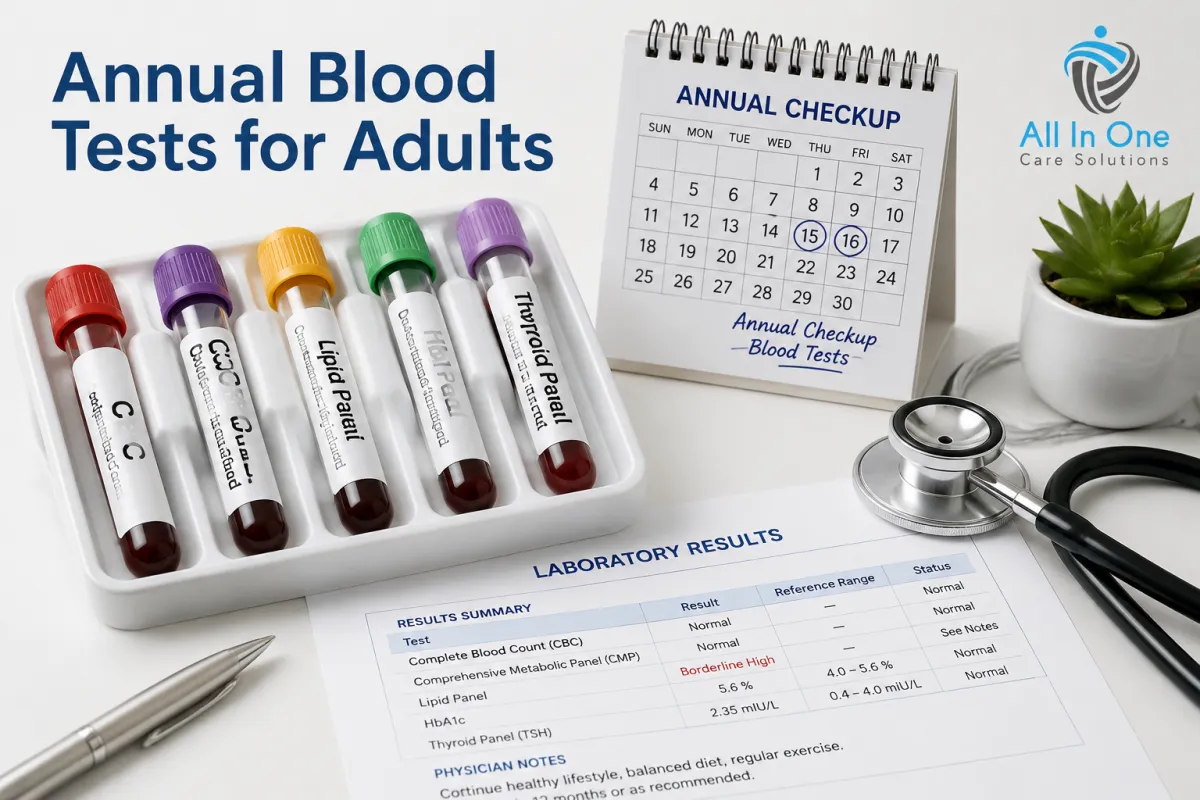
What Blood Tests Should Adults Get Every Year?
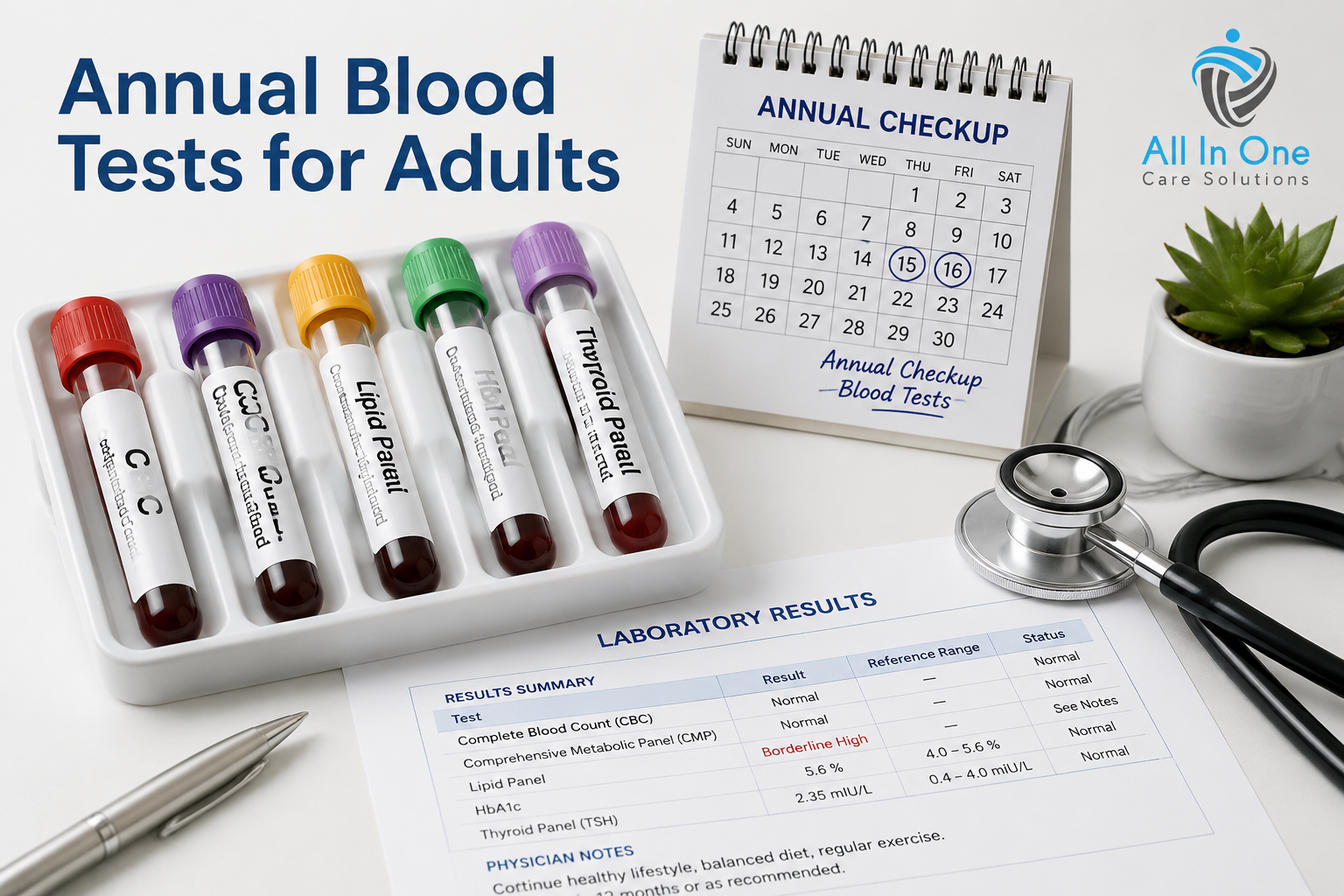
Last updated: July 2, 2026
Quick Answer: Adults should get a core set of annual blood tests that includes a complete blood count, comprehensive metabolic panel, lipid panel, fasting glucose or HbA1c, and thyroid function test. Depending on age, sex, family history, and existing health conditions, a physician may add hormone panels, vitamin levels, or disease-specific markers. These tests are the foundation of preventive care and can detect serious conditions before symptoms appear.
Key Takeaways
- A basic annual blood panel typically covers blood cell counts, kidney and liver function, blood sugar, and cholesterol.
- Adults over 45, or those with risk factors, should also test HbA1c, thyroid function, and vitamin D levels.
- Most core blood tests are covered by insurance as part of a preventive wellness visit or annual physical exam.
- Fasting for 8 to 12 hours before the draw improves accuracy for glucose and lipid results.
- Men and women have different screening priorities, particularly around hormones and certain cancer markers.
- Feeling healthy does not mean your blood values are normal. Many serious conditions, including diabetes and high cholesterol, produce no symptoms in early stages.
- Patients without insurance can access affordable lab testing through self-pay annual exam packages.
- Chronic conditions like diabetes, hypertension, and high cholesterol require more frequent monitoring, not just once a year.
What Blood Tests Do Adults Actually Need Every Year?
Every adult 30 and older benefits from a standard set of annual blood tests, regardless of how they feel. The core panel recommended by most primary care physicians includes:
- Complete Blood Count (CBC): Measures red blood cells, white blood cells, and platelets. Detects anemia, infections, and blood disorders.
- Comprehensive Metabolic Panel (CMP): Evaluates kidney function, liver enzymes, electrolytes, and blood glucose. A basic metabolic panel (BMP) covers a shorter version of the same markers.
- Lipid Panel: Measures total cholesterol, LDL (low-density lipoprotein), HDL (high-density lipoprotein), and triglycerides. Used to assess cardiovascular risk.
- Fasting Blood Glucose and/or HbA1c: Screens for diabetes and prediabetes. HbA1c reflects average blood sugar over the past two to three months.
- Thyroid-Stimulating Hormone (TSH): Identifies underactive or overactive thyroid function, which affects energy, weight, and mood.
These five panels form the minimum standard for a meaningful annual blood work review. A physician may add others based on individual risk factors.
How Often Should Adults Get Blood Work Done?
Most healthy adults should get blood work at least once a year, typically as part of their annual physical exam. Certain conditions or risk factors require more frequent testing.
For adults with no known chronic conditions, an annual draw is appropriate. For patients managing diabetes, hypertension, or high cholesterol, blood work may be ordered every three to six months to track treatment effectiveness. Medicare covers an Annual Wellness Visit (AWV) that includes lab screenings for eligible patients, making yearly testing accessible at no additional cost for many seniors.
If you have not had blood work in more than a year, or if you have never established care with a primary care physician, scheduling a comprehensive panel is a reasonable first step.
What Is the Difference Between a Basic and Comprehensive Blood Panel?
A basic blood panel typically refers to a BMP (basic metabolic panel) plus a CBC, covering glucose, kidney markers, electrolytes, and blood cell counts. A comprehensive blood panel expands this to include liver enzymes, a lipid profile, thyroid function, and sometimes vitamin levels or hormone markers.
| Panel Type | What It Covers | Best For |
|---|---|---|
| Basic (BMP + CBC) | Glucose, kidney function, electrolytes, blood cells | Routine check, younger adults with no risk factors |
| Comprehensive (CMP + CBC + Lipids + TSH) | All of the above plus liver, cholesterol, thyroid | Adults 40+, annual preventive care |
| Extended Wellness Panel | All above plus vitamin D, B12, hormones, iron | Adults 50+, fatigue, chronic conditions, weight concerns |
The right panel depends on age, symptoms, and medical history. A primary care physician can determine which tests apply to each patient.
Blood Tests for Preventive Health Screening in Adults
Preventive blood testing is designed to catch disease before it causes damage. The most clinically supported preventive screenings for adults include:
- HbA1c: Recommended for all adults 35 and older, or earlier for those with obesity or a family history of diabetes. The American Diabetes Association recommends screening for prediabetes and type 2 diabetes starting at age 35 for overweight or obese adults (ADA, 2023).
- Lipid panel: Recommended every four to six years for low-risk adults, and annually for those with elevated cardiovascular risk. The U.S. Preventive Services Task Force (USPSTF) supports lipid screening for adults at increased cardiovascular risk.
- TSH (thyroid): Recommended for women over 35 and for any adult experiencing unexplained fatigue, weight changes, or mood disturbances.
- Vitamin D: Not universally recommended for all adults, but commonly ordered for patients with fatigue, bone pain, or limited sun exposure.
- Complete Blood Count: Screens for anemia, which is common in women of reproductive age and in adults with poor nutrition.
For patients in Miami Gardens and surrounding communities, where rates of type 2 diabetes and hypertension are above national averages in certain demographic groups, early and consistent preventive lab testing is particularly important. Our medical laboratory in Miami Gardens provides fast, in-house results to support timely clinical decisions.
Which Blood Tests Are Covered by Insurance?
Most major insurance plans, including Medicare and Medicaid, cover preventive blood work when ordered as part of an annual wellness visit or physical exam. Coverage typically includes:
- CBC
- CMP or BMP
- Lipid panel
- Fasting glucose or HbA1c
- TSH (when clinically indicated)
Important distinction: Coverage depends on how the visit is coded. A preventive visit (wellness exam) is generally covered at 100% under the ACA for in-network providers. If the visit is coded as a diagnostic appointment, cost-sharing may apply.
Medicare patients receive an Annual Wellness Visit that includes a health risk assessment and can include lab orders. The initial “Welcome to Medicare” visit also covers certain screenings. Patients with Oscar Health, Medicaid, or private insurance plans can verify coverage by calling the clinic directly at (786) 446-9414.
For patients without insurance, All In One Care Solutions offers a self-pay annual exam package that includes a complete medical physical, EKG, and basic blood panel for $150. More details are available on our best self-pay physical exam in Miami page.
Do You Need to Fast Before Annual Blood Work?
Fasting for 8 to 12 hours before blood draw is required for accurate lipid panels and fasting glucose tests. Water is permitted during the fasting period. Some tests, such as CBC, TSH, and HbA1c, do not require fasting.
Practical guidance:
- Schedule morning appointments when possible, so the fast overlaps with sleep.
- Avoid alcohol for at least 24 hours before a lipid draw, as it can artificially elevate triglycerides.
- Continue taking regular medications unless your physician advises otherwise.
- If you accidentally eat before a fasting draw, inform the lab staff. The physician may still proceed with non-fasting-dependent tests and reschedule the rest.
Non-fasting lipid panels are increasingly used in clinical practice and may be acceptable depending on the clinical context. Confirm with your provider before the appointment.
What Blood Tests Should Men Get vs. Women?
The core annual panel is the same for both sexes, but there are sex-specific additions that matter clinically.
For men:
- Total testosterone and free testosterone: Relevant for men over 40 experiencing fatigue, decreased libido, or difficulty maintaining muscle mass.
- PSA (prostate-specific antigen): Discussed with a physician starting at age 50, or age 40 to 45 for men with a family history of prostate cancer or African American men, per USPSTF guidance.
- Iron studies: Men with unexplained fatigue or a family history of hemochromatosis benefit from iron panel testing.
For women:
- Ferritin and iron: Women of reproductive age are at higher risk for iron-deficiency anemia due to menstrual blood loss.
- Thyroid panel (TSH, T3, T4): Women are five to eight times more likely than men to develop thyroid disorders, per the American Thyroid Association.
- Estrogen, progesterone, FSH: Relevant for women approaching perimenopause or experiencing irregular cycles. Our women’s health primary care services in Miami Gardens include hormone panel evaluation as part of comprehensive women’s care.
- Vitamin B12: Particularly important for women who are pregnant, planning pregnancy, or following a plant-based diet. Learn more about B12 injections and their role in women’s health.
Blood Tests for Specific Health Conditions Like Diabetes and Cholesterol
Patients already managing a chronic condition need more targeted and more frequent lab monitoring than a once-a-year basic panel.
For diabetes management:
- HbA1c every 3 months if not at goal; every 6 months if stable
- Fasting glucose at each visit
- Urine microalbumin (kidney function check)
- Lipid panel annually
- Comprehensive metabolic panel to monitor kidney and liver health
For hypertension:
- CMP to monitor kidney function and electrolytes, especially if on ACE inhibitors or diuretics
- Lipid panel annually
- Fasting glucose or HbA1c
For high cholesterol:
- Lipid panel every 3 to 6 months when starting or adjusting statin therapy
- Liver enzymes (ALT/AST) to monitor statin side effects
- CK (creatine kinase) if muscle pain develops
Our clinic provides chronic disease management in Miami Gardens, including structured lab monitoring for patients with diabetes, hypertension, and hyperlipidemia. Consistent lab tracking is what separates managed disease from uncontrolled disease.
Are There Blood Tests Adults Over 50 Should Get?
Adults over 50 should expand their annual panel to include several additional markers that become more clinically relevant with age.
Recommended additions for adults 50 and older:
- Vitamin D (25-hydroxyvitamin D): Deficiency is common after age 50 and is linked to bone loss, immune dysfunction, and fatigue.
- Vitamin B12: Absorption declines with age due to reduced stomach acid production. Learn more about why B12 absorption declines after 40.
- Complete iron studies (ferritin, serum iron, TIBC): Anemia becomes more common after 50 in both sexes.
- PSA (men): Discussed with physician based on individual risk.
- Estrogen/FSH (women): Useful for confirming menopause and guiding hormone therapy decisions.
- Uric acid: Elevated levels increase gout risk, which rises with age.
- Comprehensive metabolic panel: Kidney and liver function monitoring becomes more important as medication use typically increases with age.
How Much Does Annual Blood Work Cost Without Insurance?
Without insurance, blood work costs vary widely depending on which tests are ordered and where they are performed.
Approximate self-pay costs for common tests (estimates based on typical South Florida market rates, 2026):
| Test | Estimated Self-Pay Cost |
|---|---|
| CBC | $20 – $40 |
| CMP | $25 – $50 |
| Lipid Panel | $30 – $60 |
| HbA1c | $25 – $45 |
| TSH | $30 – $60 |
| Full Annual Panel (bundled) | $100 – $200 |
All In One Care Solutions offers an annual exam package for $150 that includes a physician visit, EKG, and basic blood panel, making it one of the more affordable options for uninsured patients in Miami Gardens and surrounding areas. Bundled pricing is almost always more cost-effective than ordering tests individually through a hospital lab.
What Do Common Blood Test Results Mean?
Understanding your results helps you have a more productive conversation with your physician.
CBC key values:
- Hemoglobin (men: 13.5-17.5 g/dL; women: 12.0-15.5 g/dL) — low values suggest anemia
- WBC (4,500-11,000 cells/mcL) — high values may indicate infection or inflammation
CMP key values:
- Creatinine (men: 0.74-1.35 mg/dL; women: 0.59-1.04 mg/dL) — elevated levels suggest kidney stress
- ALT/AST — elevated liver enzymes may indicate fatty liver, medication effects, or alcohol use
- Glucose (fasting normal: 70-99 mg/dL) — 100-125 mg/dL indicates prediabetes; 126+ mg/dL indicates diabetes
Lipid panel key values:
- LDL below 100 mg/dL is optimal for most adults; below 70 mg/dL for high-risk patients
- HDL above 60 mg/dL is protective; below 40 mg/dL (men) or 50 mg/dL (women) increases risk
- Triglycerides below 150 mg/dL is normal
HbA1c:
- Below 5.7% — normal
- 5.7% to 6.4% — prediabetes
- 6.5% and above — diabetes
Results outside normal ranges do not always indicate disease. Context, trends over time, and clinical presentation all factor into interpretation. Always review results with your physician before drawing conclusions.
Can You Skip Annual Blood Tests If You Feel Healthy?
Feeling healthy does not confirm that your blood values are within normal range. Many serious conditions produce no symptoms in early or moderate stages.
Type 2 diabetes, high cholesterol, kidney disease, and thyroid disorders can all be present for years without noticeable symptoms. By the time symptoms appear, organ damage may already be underway. A 2022 report from the CDC estimated that 38 million Americans have diabetes, and approximately 1 in 5 do not know they have it (CDC, 2022).
Annual blood work is not about confirming you feel fine. It is about detecting what you cannot feel. This is the core principle of preventive care, and it is why primary care physicians recommend consistent lab monitoring regardless of how a patient presents clinically.
What Blood Tests Should You Get If You Have a Family History of Disease?
Family history significantly changes which tests a physician should order and how frequently. If a first-degree relative (parent or sibling) has been diagnosed with a condition, your risk is meaningfully higher.
- Family history of heart disease: Expanded lipid panel including LDL particle size, Lp(a) lipoprotein, and CRP (C-reactive protein) for inflammation.
- Family history of diabetes: HbA1c and fasting glucose starting at age 30, or earlier if overweight.
- Family history of kidney disease: Annual CMP with creatinine and GFR calculation.
- Family history of thyroid disorders: Annual TSH, with T3/T4 added if TSH is abnormal.
- Family history of colon or liver cancer: Discuss with your physician whether additional tumor markers (CEA, AFP) are appropriate alongside standard screenings.
Patients with a strong family history of chronic disease benefit from establishing care with a primary care physician who can build a personalized screening schedule. This is a core part of the chronic disease management services offered at All In One Care Solutions.
Common Mistakes People Make With Annual Blood Tests
Even patients who schedule annual blood work regularly can undermine the value of those tests through avoidable errors.
Mistake 1: Not fasting before a lipid panel or glucose test. Eating before these tests can falsely elevate triglycerides and glucose, leading to an inaccurate risk assessment.
Mistake 2: Skipping the follow-up conversation. Receiving results online without a physician review misses the clinical context. Borderline values require interpretation, not just a number.
Mistake 3: Assuming last year’s results still apply. Blood values change with diet, stress, medications, and aging. A normal lipid panel at age 40 does not guarantee the same at 45.
Mistake 4: Only ordering tests when symptomatic. Waiting for symptoms defeats the purpose of preventive screening. Many of the most important conditions are asymptomatic until advanced.
Mistake 5: Not disclosing all medications and supplements. Biotin (vitamin B7) supplements, for example, can interfere with thyroid and cardiac biomarker tests. Always provide a complete medication and supplement list before your draw.
Frequently Asked Questions
Q: What is the most important blood test for adults to get every year? A: If only one panel is possible, a comprehensive metabolic panel (CMP) with a lipid profile and fasting glucose or HbA1c provides the most clinically useful information for detecting the most common preventable conditions in adults.
Q: Can I order my own blood tests without a doctor? A: In Florida, direct-to-consumer lab testing is available through some services, but results without physician interpretation have limited clinical value. A physician can contextualize results, identify trends, and recommend follow-up.
Q: Does Medicare cover annual blood tests? A: Medicare covers certain preventive lab tests, including fasting glucose, lipid panels, and thyroid screening, when ordered as part of an Annual Wellness Visit. Coverage specifics depend on the type of Medicare plan.
Q: How long does it take to get blood test results? A: In-house lab testing, such as that offered at All In One Care Solutions, can return results the same day for many panels. Reference lab tests sent to an outside facility typically return within 24 to 72 hours.
Q: What if my blood test results are abnormal? A: One abnormal result does not always indicate disease. Your physician will consider the degree of abnormality, your symptoms, and your history before recommending next steps, which may include repeat testing, lifestyle changes, or referral.
Q: Are blood tests painful? A: A standard venipuncture (blood draw from the arm) involves a brief, mild discomfort. Most patients tolerate it well. Topical numbing options are available for patients with needle sensitivity.
Q: What is the difference between a wellness visit and a sick visit for blood work purposes? A: A wellness visit is a preventive appointment where blood work is ordered for screening purposes and is typically covered at 100% by insurance. A sick visit is for a specific complaint and may involve cost-sharing depending on the plan.
Q: Should I get blood work if I’m on medication for a chronic condition? A: Yes, and likely more frequently than once a year. Many medications require periodic monitoring of kidney function, liver enzymes, or blood counts to confirm safety and effectiveness.
Q: What blood tests are included in a $150 annual exam at All In One Care Solutions? A: The package includes a complete medical physical exam, an EKG, and a basic blood panel. Additional tests can be added based on clinical need.
Q: Is there a blood test for vitamin deficiencies? A: Yes. Vitamin D, B12, folate, and iron levels can all be measured through blood tests. These are not always included in a standard annual panel but can be added when clinically indicated.
Conclusion
Annual blood testing is one of the most effective tools in preventive medicine. The question of what blood tests should adults get every year does not have a single universal answer, but the core panel, including CBC, CMP, lipid profile, HbA1c, and TSH, gives physicians the data they need to identify risk and intervene early.
For adults managing chronic conditions, those over 50, or those with a meaningful family history, an expanded panel adds significant clinical value. The goal is not to find problems, but to stay ahead of them.
Actionable next steps:
- Schedule an annual physical exam with a primary care physician if you have not had one in the past 12 months.
- Ask your physician which panels are appropriate for your age, sex, and health history.
- Confirm insurance coverage or ask about self-pay options before your appointment.
- Fast appropriately the night before if a lipid panel or glucose test is planned.
- Review your results with your physician, not just through a patient portal notification.
At All In One Care Solutions, located at 16191 NW 57 Ave in Miami Gardens, FL, the clinical team provides comprehensive annual exams with in-house lab testing, same-day results, and bilingual care in English and Spanish. Whether you have insurance or are paying out of pocket, affordable preventive care is available. Call (786) 446-9414 or visit allinonecaresolutions.com to schedule your appointment today.
References
- American Diabetes Association. Standards of Medical Care in Diabetes. Diabetes Care, 2023. https://diabetesjournals.org/care
- Centers for Disease Control and Prevention. National Diabetes Statistics Report. CDC, 2022. https://www.cdc.gov/diabetes/data
- U.S. Preventive Services Task Force. Statin Use for the Primary Prevention of Cardiovascular Disease in Adults. USPSTF, 2022. https://www.uspreventiveservicestaskforce.org
- American Thyroid Association. General Information/Press Room. ATA, 2023. https://www.thyroid.org
- National Institutes of Health, Office of Dietary Supplements. Vitamin B12 Fact Sheet for Health Professionals. NIH, 2023. https://ods.od.nih.gov/factsheets/VitaminB12-HealthProfessional/
Tags: annual blood tests, preventive blood work, blood panel adults, HbA1c screening, lipid panel, CBC test, primary care Miami, lab testing Miami Gardens, chronic disease management, diabetes screening, annual physical exam, preventive care Miami
