Expert Dietitian Support for Your Miami Nutrition Journey
Customized Nutrition Plans for Lasting Weight Loss: Personalized Diet Strategies and In-Home Support
Personalized nutrition is one of the most dependable paths to losing weight and keeping it off. By matching meals to someone’s health needs, food preferences, and daily routine, a tailored plan turns healthy choices into realistic, long-term habits. Below we describe what customized nutrition plans look like, how dietitians strengthen coaching, why in‑home nutrition support matters, and practical tips for different age groups. Read on to discover how individualized eating plans help people meet lasting weight and health goals.
What Are Customized Nutrition Plans and How Do They Support Sustainable Weight Loss?
Customized nutrition plans are personalized meal and lifestyle roadmaps designed to help someone reach weight goals while taking into account medical history, activity level, tastes, and daily routines. Rather than relying on one-size-fits-all dieting, these plans prioritize balance and essential nutrients so clients don’t feel deprived. Because they reflect a person’s real life and preferences, customized plans make it much easier to maintain healthier habits over time.
Defining Personalized Diet Plans and Their Benefits
Personalized diet plans consider factors such as age, sex, activity level, and existing health conditions to create a clear, usable eating plan. Benefits include higher adherence to recommendations, stronger motivation, and better health outcomes. When a plan fits someone’s lifestyle and food preferences, they’re more likely to follow it consistently—resulting in steady, sustainable weight loss and improved overall well‑being.
Research also supports tailored approaches, including digital programs that pair personalization with dietitian guidance.
Personalized Web-Based Weight Loss & Dietitian Coaching
Objective: We aimed to compare the effectiveness of a web-based behavior change intervention personalized through either computerized or human-delivered feedback with a nonpersonalized intervention in promoting weight loss in community-based adults with overweight or obesity.
Personalized web-based weight loss behavior change program with and without dietitian online coaching for adults with overweight and obesity: randomized …, A Beleigoli, 2020
How Does Dietitian Support Enhance Weight Loss Nutrition Coaching?
Dietitians bring clinical training and hands-on experience to a customized plan. They translate evidence-based nutrition into practical meals and daily habits that fit each client’s life. That professional guidance helps people make safe, effective changes and avoid common setbacks.
Role of Registered Dietitians in Developing Tailored Nutrition Plans
Registered dietitians review medical history, current eating patterns, and personal goals to build meal plans that are realistic and nutritionally complete. They offer step-by-step guidance, suggest easy swaps and recipes, and adjust recommendations as progress is made. That tailored attention builds confidence and clarity for clients who are beginning—or restarting—their weight-loss journey.
Impact of Professional Guidance on Weight Loss Adherence
Evidence shows people who work with dietitians usually stick with plans longer and see better results. Dietitian support adds accountability, education, and practical problem-solving—key factors that improve adherence and help maintain weight loss over time. Ongoing, trusting guidance often makes the difference between short-term change and lasting success.
Why Is Home Nutrition Counseling Essential for Long-Term Weight Management?
Home nutrition counseling brings coaching into the places where food choices actually happen. When nutrition support is paired with home care, clients get realistic help with grocery shopping, meal prep, portioning, and daily routines—so healthy habits become part of everyday life.
Benefits of Integrating Nutrition Plans with Home Care Services
Blending nutrition plans with home care makes it simpler to put changes into practice and keep them going. Clients receive coaching in their own kitchens, ongoing monitoring, and adjustments based on real-world challenges. This hands-on approach supports consistency and helps turn short-term shifts into long-term lifestyle improvements.
How Home Nutrition Support Improves Client Health Profiles
Home-based nutrition support helps correct risky eating patterns and often produces measurable health benefits. Through education, follow-up, and practical tools, clients learn to choose nutrient-dense foods and manage portions—lowering chronic disease risk and improving quality of life.
Additional studies back up the advantages of personalized diet education combined with regular home-based follow-up.
Personalized Diet Education & Dietitian Home Support
Abstract: We investigated weight loss effect of personalized diet education in overweight/obese Korean adults. Overweight/obese Korean adults (body mass index [BMI] ≥ 23 kg/m2 or waist circumference [WC] ≥ 90 cm for men, ≥ 85 cm for women) were recruited, and 40 participants who completed the 10-week intervention were finally included in the analyses. At first visit, study participants (small group with individual counseling) were educated for optimal diet by clinical dietitian, and checked for their compliance through telephone/text message every 1–2 week during the intervention.
Importance of adherence to personalized diet intervention in obesity related metabolic improvement in overweight and obese Korean adults, SR Yoon, 2019
What Are Effective Sustainable Diet Strategies for Different Age Groups?
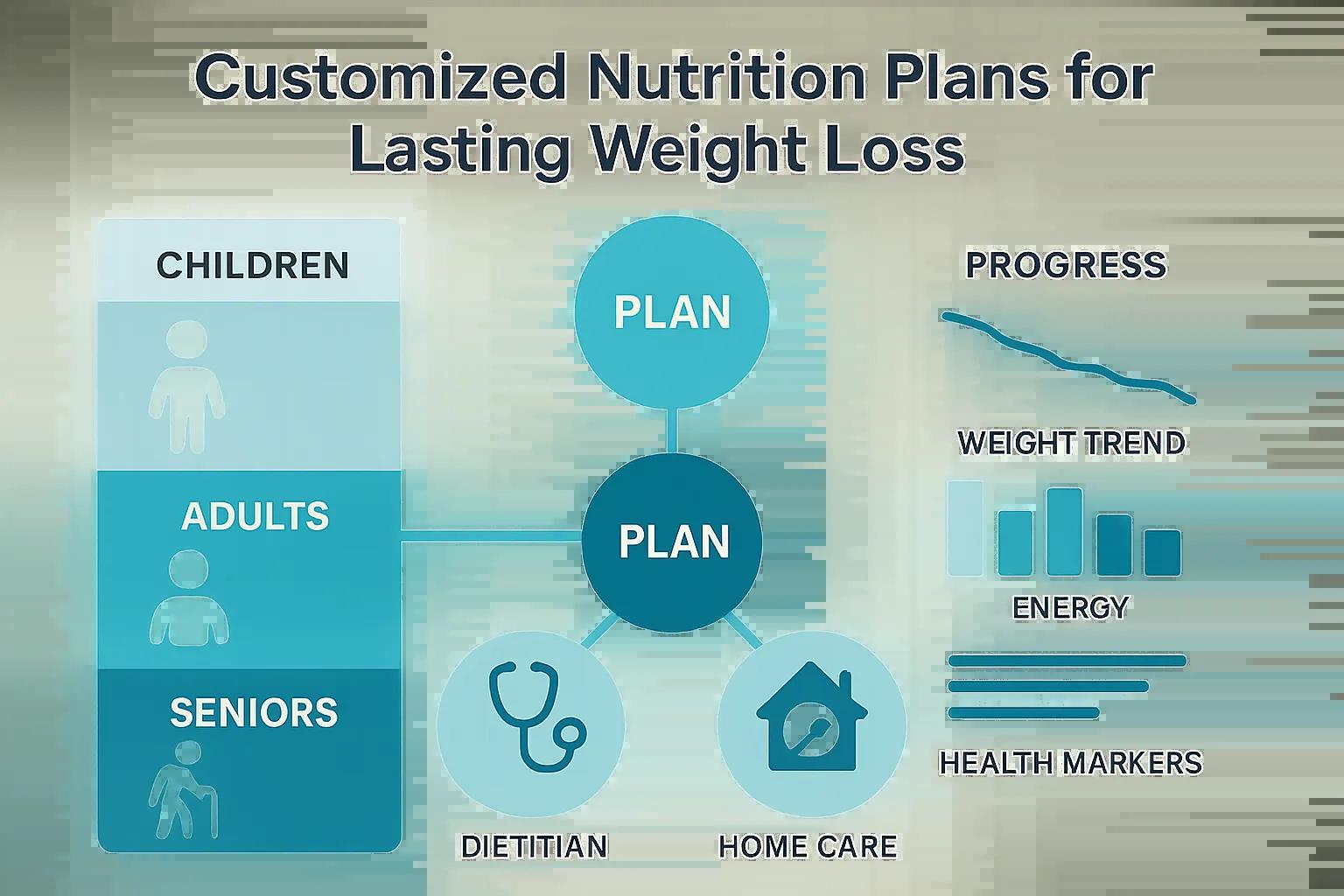
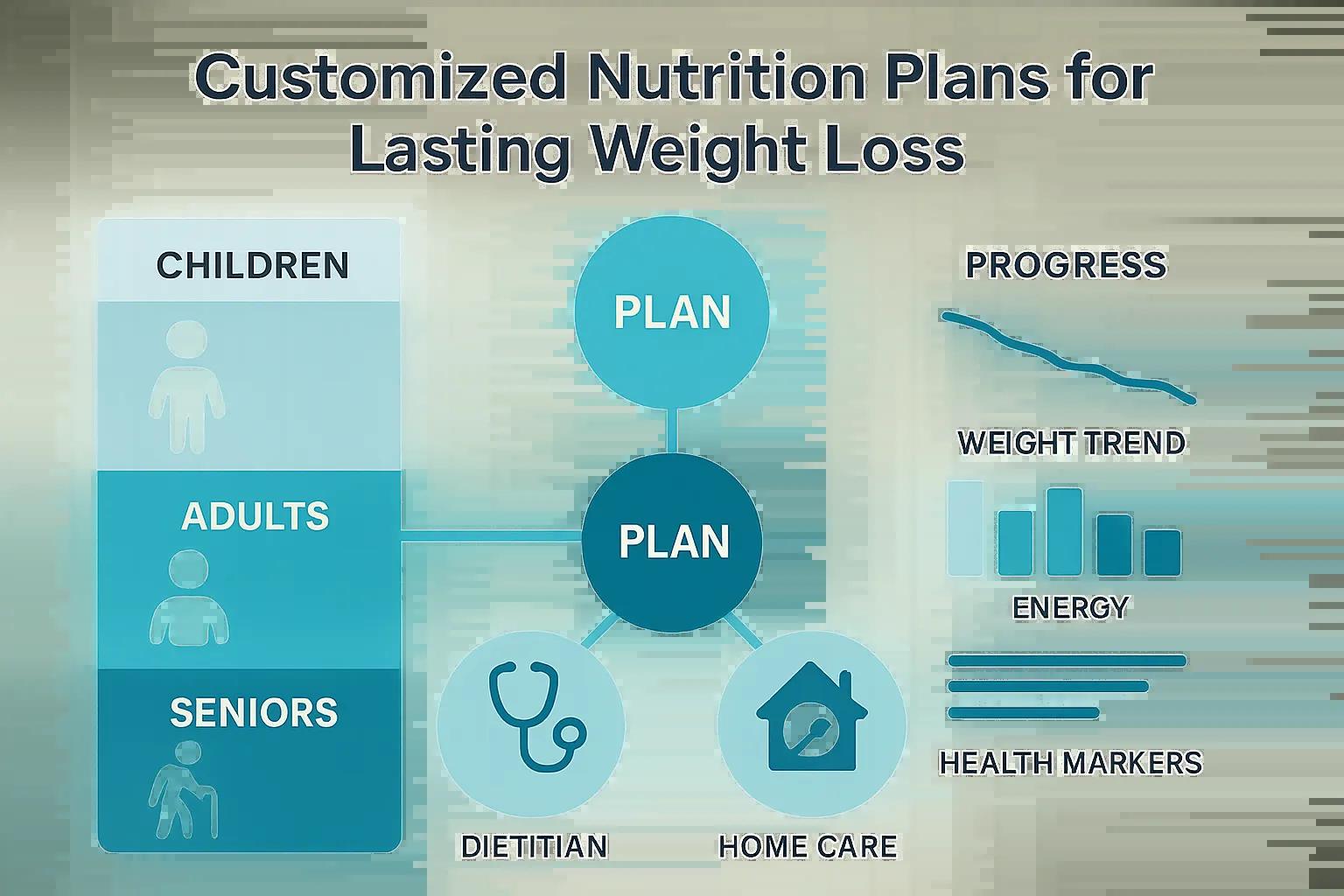
Nutritional needs shift across the lifespan, so sustainable strategies should match a person’s age and lifestyle. Tailoring plans for children, adults, and seniors helps ensure the right balance of nutrients for each life stage and activity level.
Healthy Eating Guides Tailored to Age and Lifestyle
For children, prioritize nutrient-dense foods that support growth—regular meals and snacks with protein, whole grains, fruits, and vegetables. Adults benefit from balanced meals that sustain energy and support weight control while fitting a busy schedule. Seniors should focus on bone- and brain-healthy nutrients like calcium, vitamin D, and omega‑3s, and choose easy-to-prepare, nutrient-rich options.
Meal Planning Tips for Sustainable Weight Loss Success
Thoughtful meal planning reduces decision fatigue and prevents last-minute choices that derail progress. Try these practical steps:
- Mix Things Up: Rotate proteins, whole grains, fruits, and vegetables so meals stay satisfying and nutrient-rich.
- Prep Ahead: Block off time once or twice a week to cook staples so healthy options are convenient.
- Keep Portions Consistent: Use simple cues—the plate method or portioned containers—to control servings without stress.
- Drink Enough Water: Staying hydrated helps appetite control and overall health—carry a water bottle to make it easy.
When meal plans are simple, flexible, and built around daily life, they’re much more likely to stick.
How Can Clients Track Progress and Achieve Long-Term Weight Loss Goals?
Tracking progress helps clients see what’s working and where to tweak a plan. Monitoring can be as straightforward as noting weight trends, energy levels, clothing fit, or changes in lab markers over time.
Setting Realistic Weight Loss Goals with Dietitian Collaboration
A dietitian can help set safe, realistic targets—commonly about 0.5–1 kg (1–2 pounds) per week for many people. Breaking a long-term goal into smaller milestones keeps progress measurable and motivation steady.
Using Client Success Stories to Motivate Sustainable Change
Real client stories—shared with permission—are powerful motivators. Learning how others overcame obstacles and adapted habits makes goals feel attainable and offers practical ideas for everyday life.
What Common Questions Do Clients Have About Customized Nutrition Plans?
Clients often ask what a personalized plan includes, how it handles allergies, and how often to meet with a dietitian. Clear, upfront answers reduce anxiety and set realistic expectations.
What Does a Customized Nutrition Plan Include?
A customized plan starts with a thorough assessment of food preferences, medical history, and lifestyle. It usually includes meal suggestions, portion guidance, shopping lists, and tips for dining out or attending social events. Plans are practical, flexible, and updated as progress is made.
How to Find Miami Dietitian Services for Personalized Support?
Seek registered dietitians with experience in weight management and in‑home care. You can find qualified professionals through online directories, local health centers, or referrals from your primary care provider. Look for someone who listens, tailors recommendations to your life, and offers ongoing support.
| Age Group | Nutritional Focus | Key Strategies |
|---|---|---|
| Children | Growth and development | Nutrient-dense foods, balanced meals |
| Adults | Energy and weight management | Portion control, meal planning |
| Seniors | Bone health and cognitive function | Calcium-rich foods, omega-3 fatty acids |
This table highlights the main nutritional priorities and practical strategies for each age group—reinforcing that tailored plans deliver the best results.
In short, customized nutrition plans—backed by dietitians and, when useful, in‑home counseling—offer the practical, personalized approach people need for lasting weight management. With age-appropriate guidance and steady tracking, clients can reach their goals and sustain better health.
Frequently Asked Questions
1. How long does it take to see results from a customized nutrition plan?
Timing varies—starting weight, consistency, and metabolism all play a role. Many people notice better energy and mood within a few weeks. For measurable, sustainable weight loss, aim for about 0.5–1 kg (1–2 pounds) per week. Consistency is the strongest predictor of long-term success.
2. Can I follow a customized nutrition plan if I have food allergies?
Absolutely. Customized plans are built around your needs, including allergies or intolerances. A registered dietitian will design meals that avoid trigger foods while keeping your nutrition balanced so you can reach your goals safely.
3. What role does physical activity play in a customized nutrition plan?
Exercise complements nutrition by burning calories, preserving muscle, and supporting overall health. While diet is central to weight loss, pairing it with regular physical activity delivers better and more sustainable results. Your dietitian can recommend activity levels that match your fitness and lifestyle.
4. How often should I meet with my dietitian for support?
Frequency depends on your needs. Early on, weekly or biweekly visits help establish habits and solve challenges. As you progress, monthly check-ins often keep momentum and allow for adjustments.
5. Are there specific meal prep tips for busy individuals on a customized nutrition plan?
Yes—meal prep saves time and removes guesswork. Spend a few hours each week batch-cooking staples (grains, proteins, roasted vegetables). Use portioned containers for quick lunches, and keep simple, healthy snacks on hand. Planning meals around your schedule makes healthy eating manageable.
6. How can I stay motivated during my weight loss journey?
Stay motivated by setting realistic goals, celebrating small wins, and tracking progress beyond the scale—like energy, sleep, and how clothes fit. Use food journals or apps, and lean on support from friends, family, or a coaching group to stay accountable.
7. What should I do if I hit a weight loss plateau?
Plateaus are normal. Reassess calorie intake and activity, vary your meals and workouts, and check portion sizes. Your dietitian can help identify small, effective changes—like shifting macronutrient balance or meal timing—to restart progress and keep you moving toward your goals.
Conclusion
Customized nutrition plans offer a tailored path to sustainable weight loss by addressing individual health needs and preferences. With support from registered dietitians and in‑home counseling when appropriate, clients can achieve lasting results and improved well‑being. By combining practical strategies with consistent tracking, these plans empower people to make healthier choices over time. Begin your journey to better health by exploring our personalized nutrition services today.