
Diabetes Management and Prevention in Miami Gardens
Comprehensive Diabetes Management and Prevention in Miami Gardens: Effective Treatment Options and Bilingual Care

By Marcos Ferrero, All In One Care Solutions LLC
Diabetes management and prevention are public health priorities in Miami Gardens due to elevated local prevalence. This article outlines evidence-based treatment options emphasizing personalized and bilingual care. It reviews treatment modalities, including insulin therapy and nutrition counseling, and examines the role of community support. The content explains how All In One Care Solutions integrates these services to deliver comprehensive, locally tailored care. Understanding these options helps individuals make informed health decisions.
Research identifies specific diabetes and obesity disparities affecting Latinx communities in Miami.
Diabetes & Obesity Disparities in Miami Latinx Communities
Abstract. Background: Racial and geographic disparities linked to obesity and diabetes exist in the USA. Latinx residents in rural areas encounter factors that may exacerbate existing healthcare disparities and increase diabetes prevalence. Methods: A qualitative study using focus groups was conducted between November 2014 and February 2015. The six focus groups were evenly split between Miami (Miami-Dade) and Pensacola (Escambia County), Florida. A total of 57 Latinx participants aged 40 years and older were recruited for 60‑minute sessions. Baseline demographic and clinical information was collected by questionnaire prior to each focus group. Open‑ended questions captured participants’ perceptions of obesity and diabetes and barriers to health care.
Perceptions, awareness, and barriers to care regarding obesity and diabetes among Latinx in Miami and Escambia, Florida: a qualitative geographical …, 2022
Effective Treatment Options
Effective diabetes management requires individualized treatment plans, routine blood glucose monitoring, and medication management. These measures aim to control glucose levels and reduce the risk of diabetes‑related complications. Combining modalities allows clinicians to tailor care and optimize outcomes for each patient.
What Are the Personalized Diabetes Treatment Options Available in Miami Gardens?
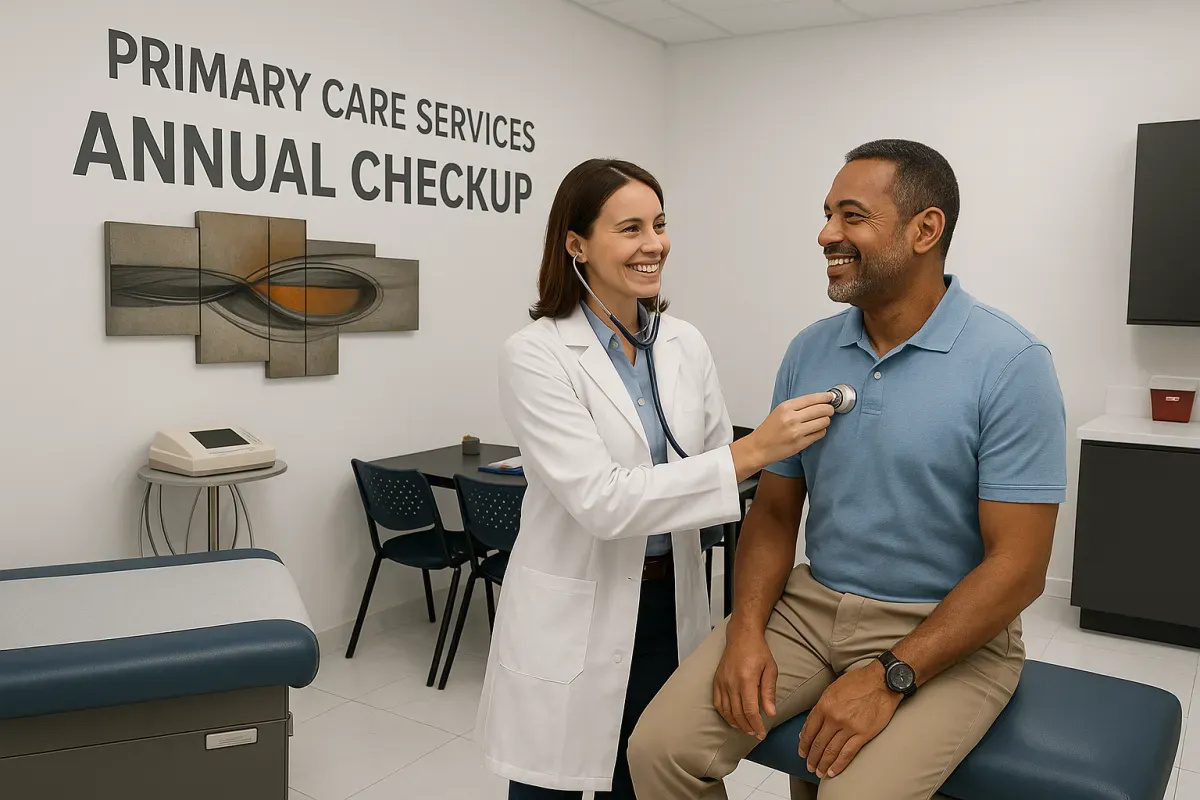
Personalized options in Miami Gardens include individualized medication regimens, structured lifestyle interventions, and continuous glucose monitoring. Care plans consider diabetes type, patient lifestyle, and clinical goals. Type 1 diabetes generally requires insulin therapy; Type 2 diabetes management often emphasizes lifestyle modification and oral agents. Personalized approaches increase the chance of effective control.
How Does Insulin Therapy Support Diabetes Control?
Insulin therapy is a central component of care for many patients, especially those with Type 1 diabetes. Administered insulin replaces endogenous hormone to regulate blood glucose. Clinicians select formulations—such as rapid‑acting and long‑acting—based on clinical indication. Structured patient education on administration, dosing, and monitoring supports safe self‑management.
Bilingual Care Services

Bilingual care services address language barriers common in Miami Gardens. Delivering care in English and Spanish improves communication and helps patients understand diagnoses and treatment plans. Cultural competence in service delivery supports engagement and adherence.
Studies demonstrate the effectiveness of culturally sensitive, bilingual education programs in improving diabetes management for Hispanic communities.
Bilingual Diabetes Education for Hispanic Communities
This research examines beliefs about disease causality, self‑management practices, and barriers to diabetes care. It highlights the value of culturally sensitive approaches and describes a program that employed a bilingual diabetes educator to provide culturally appropriate care.
“You have to control it however you can”: type 2 diabetes management in a
Hispanic farmworker community in rural Florida, NB Arriola, 2019
Additional research indicates that clinicians’ bilingual and cultural skills substantially enhance the quality of diabetes care for Latinx patients.
Enhancing Latinx Diabetes Care with Bilingual Skills
The workshop reports three primary outcomes: (1) application of bilingual diabetes knowledge in clinician‑patient discussions with Latinx patients; (2) improvement in diabetes‑related clinical practices; and (3) documentation of the impact of clinician language and cultural skills on Latinx diabetes care.
Bilingual diabetes workshop to improve Latinx care, P Ortega, 2022
Strategies for Effective Diabetes Management
Key strategies include patient education, preventive clinical services, and community support. Together these components enable individuals to manage their condition and make informed decisions about care.
- Education on Diabetes: Understanding diabetes and its clinical implications is essential for management. Educational programs help patients learn about the condition, treatment options, and necessary lifestyle adjustments.
- Preventive Care Services: Regular clinician follow‑up and screenings enable early identification of complications and timely intervention.
- Community Support: Participation in community resources and support groups provides practical assistance and motivation to maintain health.
Frequently Asked Questions
What lifestyle changes can help manage diabetes effectively?
Effective diabetes control requires lifestyle modification. Key measures include adopting a balanced diet rich in whole grains, fruits, and vegetables while limiting processed foods and added sugars. Maintain regular physical activity—such as walking, swimming, or cycling—to support glycemic control. Preserve a healthy weight and use stress‑management techniques. Consult healthcare professionals for individualized guidance.
How can community support impact diabetes management?
Community support provides access to resources, education, and peer encouragement. Support groups enable experience sharing and practical problem solving. Local organizations may offer workshops, cooking classes, and exercise programs tailored to people with diabetes. Engaging with these resources supports adherence to treatment plans and improves outcomes.
What role does nutrition counseling play in diabetes care?
Nutrition counseling helps patients understand how food choices affect blood glucose. A registered dietitian can develop individualized meal plans aligned with clinical goals and preferences. Counseling typically covers carbohydrate management, portion control, and balanced meal composition to support glycemic control and reduce complication risk.
Are there specific challenges faced by Latinx communities in diabetes management?
Latinx communities often face cultural health beliefs, language barriers, and limited access to healthcare resources. These factors can cause misunderstandings about diabetes and reduce care engagement. Socioeconomic constraints may limit access to healthy food and services. Addressing these barriers through culturally sensitive education and bilingual care can improve outcomes.
How can technology assist in diabetes management?
Technology provides tools for monitoring and controlling blood glucose. Continuous glucose monitors (CGMs) supply real‑time data to inform treatment adjustments. Mobile applications enable logging of diet, activity, and medications. Telehealth services facilitate remote consultations and follow‑up with clinicians.
What preventive care services are recommended for individuals with diabetes?
Recommended preventive services include routine clinical follow‑up, eye exams to monitor for diabetic retinopathy, and foot exams to prevent ulcers and infections. Blood pressure and cholesterol screening are essential given the higher cardiovascular risk. Vaccinations, such as the annual influenza vaccine, reduce infection risk that can complicate diabetes. Regular preventive care improves long‑term outcomes.
Conclusion
Comprehensive diabetes management and prevention in Miami Gardens require a multifaceted approach that integrates effective treatment options with bilingual care. All In One Care Solutions provides personalized services tailored to patient needs. For more information or to schedule an appointment, contact All In One Care Solutions at (786) 446-9414 or visit their office at 16191 NW 57 Ave, Miami Gardens, FL.
Conclusion
Comprehensive diabetes management in Miami Gardens combines effective treatment modalities with bilingual care to ensure patients receive appropriate support. By prioritizing personalized care, All In One Care Solutions helps individuals make informed health decisions. Integration with community resources and educational programs further improves outcomes. To learn more about services or to schedule an appointment, contact All In One Care Solutions.